
5 Mistakes That Are Slowly Killing Your Bike’s Engine
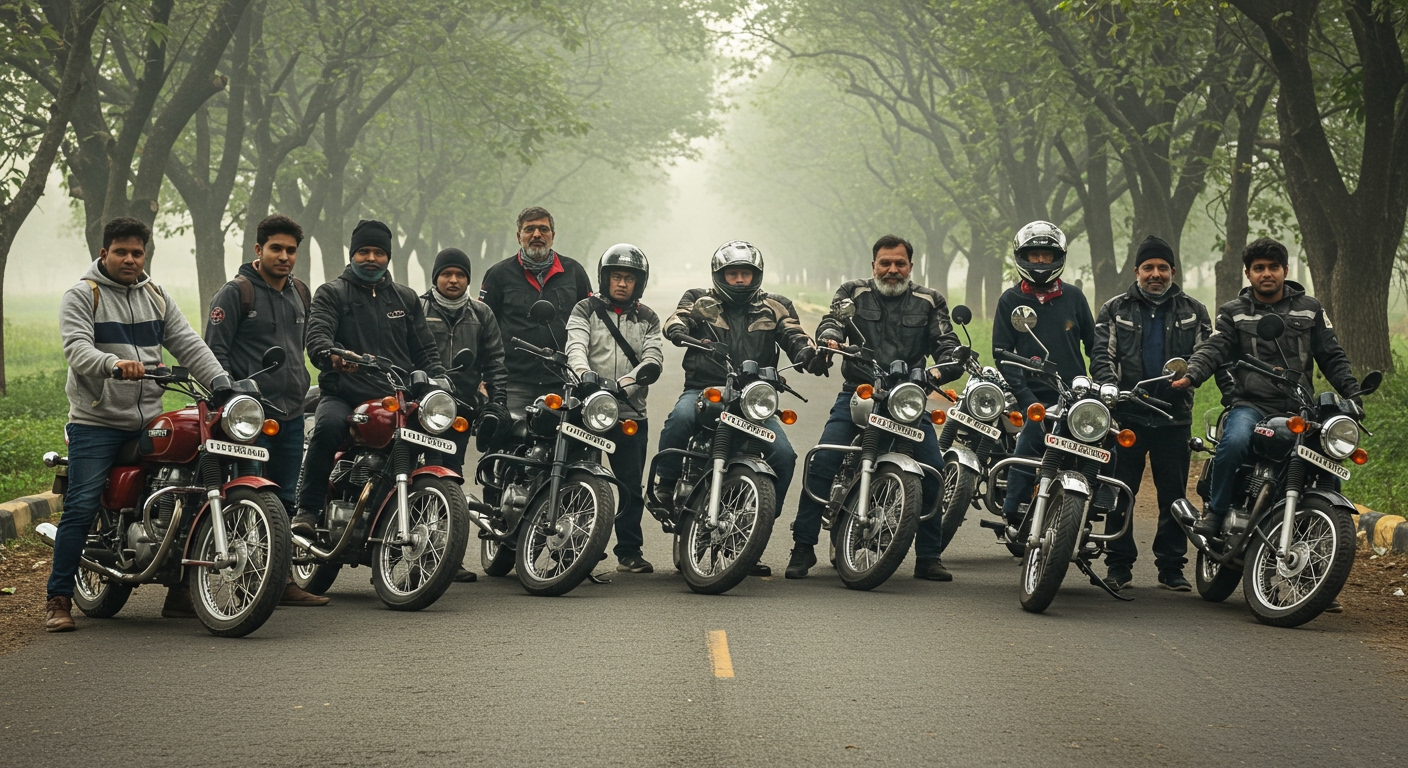
Namaste, fellow riders! Ever gazed at your bike, felt that deep connection, and wondered what truly keeps its heart thumping? It's that beautiful, complex piece of engineering we call the engine. For us Indian riders, our bikes are more than just transport; they're our companions through city bustle, rural journeys, and thrilling highway escapades. We pour our hard-earned money and passion into them, expecting them to run flawlessly for years. But sometimes, unknowingly, we make mistakes that chip away at our engine's life, slowly killing it without a single warning light until it's too late.
Being an experienced mechanic with eAuto, I've seen countless bikes roll into the workshop with issues that could have been easily avoided. These aren't always big, dramatic failures. Often, they're the result of small, consistent oversights that accumulate over time. Think of it like a slow poison for your engine. Today, I'm here to shed light on 5 such mistakes that are silently taking a toll on your beloved machine. Understanding these will not only save you hefty repair bills but also ensure your bike remains your loyal companion for many more miles.
1. Neglecting Regular Engine Oil Changes and Using Incorrect Oil
If your bike's engine is its heart, then engine oil is its lifeblood. It performs multiple critical functions: lubricating moving parts to reduce friction and wear, cooling the engine by carrying away heat, cleaning by suspending dirt and particles, and sealing gaps between components. Over time, engine oil breaks down, loses its viscosity, and gets contaminated with combustion byproducts and metal particles.
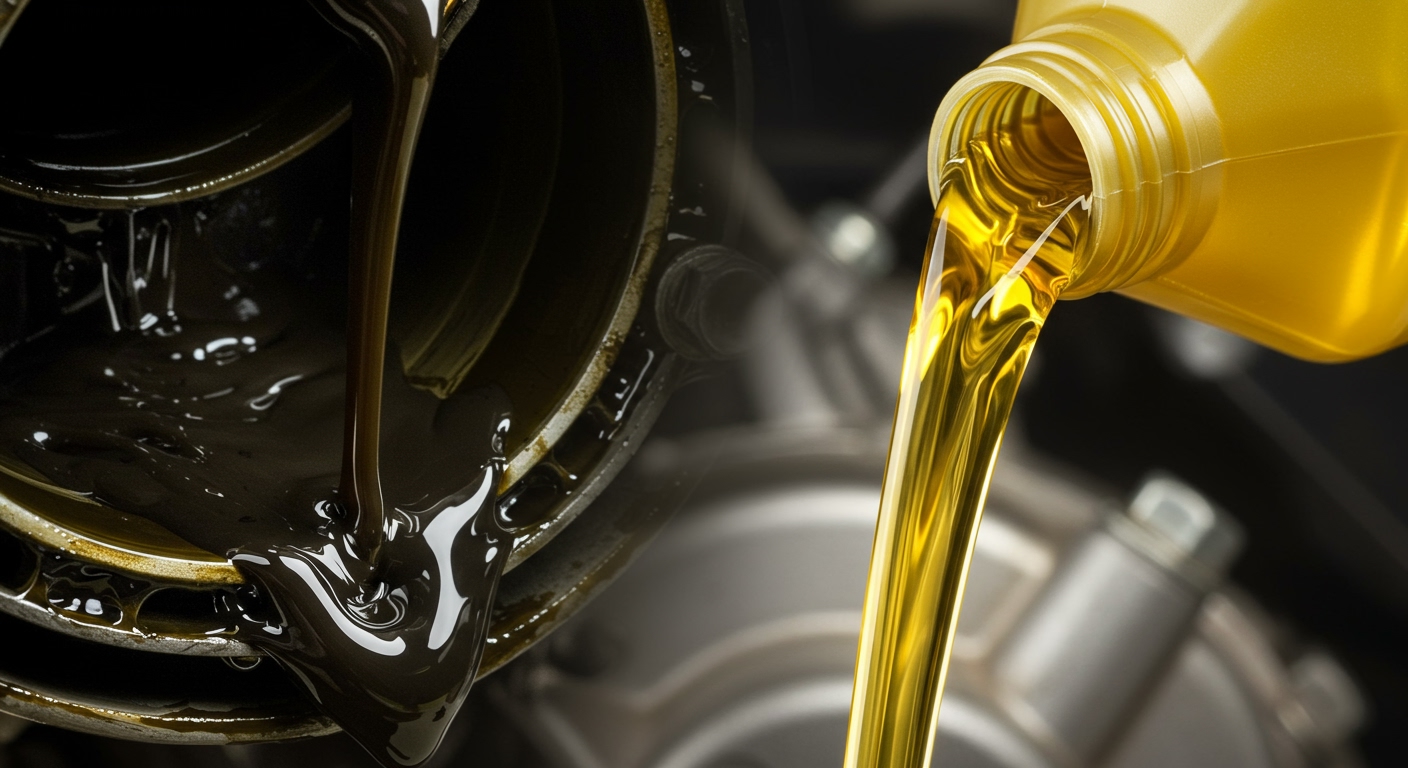
Riding in India, with our varied temperatures and often dusty, congested traffic conditions, puts extra stress on engine oil. Ignoring the manufacturer's recommended service intervals for oil changes, or worse, using an incorrect grade or fake oil, starves your engine of its fundamental protection. This leads to increased friction, premature wear of pistons, crankshaft, and bearings, sludge buildup, overheating, and eventually, a costly engine overhaul. Always refer to your owner's manual for the correct oil grade (e.g., 10W-30, 15W-40) and changing schedule, and always buy from reputable sources.
2. Ignoring or Improperly Maintaining the Air Filter
Just as we need clean air to breathe, your engine needs clean air for combustion. The air filter is your engine's first line of defense against dust, dirt, and debris that could enter the combustion chamber. In a country like ours, where dust is practically a part of the landscape, a clean air filter is non-negotiable.
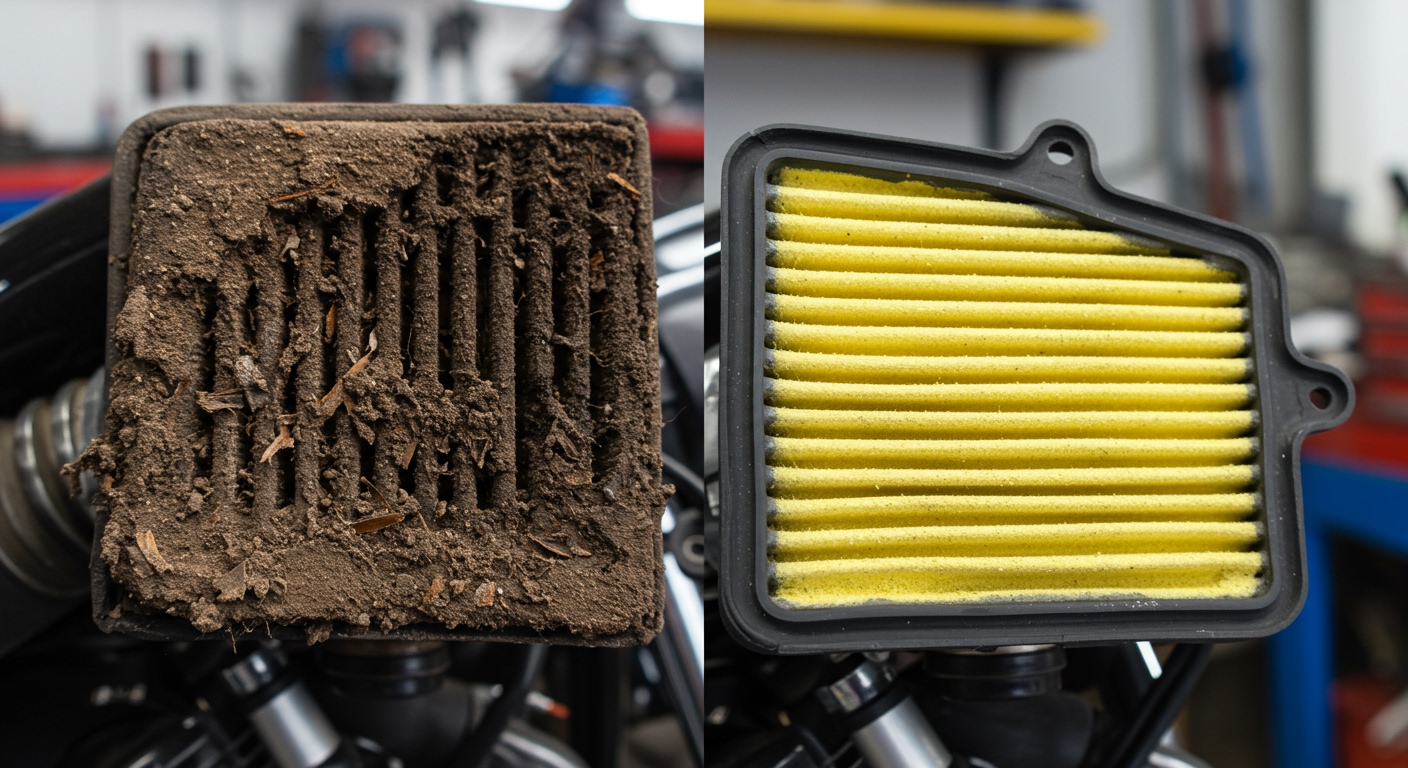
A clogged air filter restricts airflow to the engine, forcing it to run 'rich' (more fuel, less air). This leads to reduced power, poor fuel efficiency, and can cause carbon buildup on spark plugs and inside the combustion chamber. More dangerously, a damaged or improperly fitted filter can allow abrasive dust particles to bypass it, acting like sandpaper inside your engine, scoring cylinder walls, and causing irreparable damage to pistons and rings. Regularly inspect, clean, or replace your air filter as per your bike's service schedule. It’s a simple, inexpensive task that pays huge dividends in engine longevity.
3. Lugging the Engine or Riding in the Wrong Gear
I often see riders, especially in city traffic, trying to accelerate from a very low speed in a high gear, or letting their engine 'lug.' Lugging occurs when the engine is forced to run at very low RPMs in a gear that is too high for the current speed and load. You'll hear a deep, struggling rumble from the engine and feel vibrations. While it might seem like you're saving fuel or avoiding gear changes, you're actually doing severe damage.
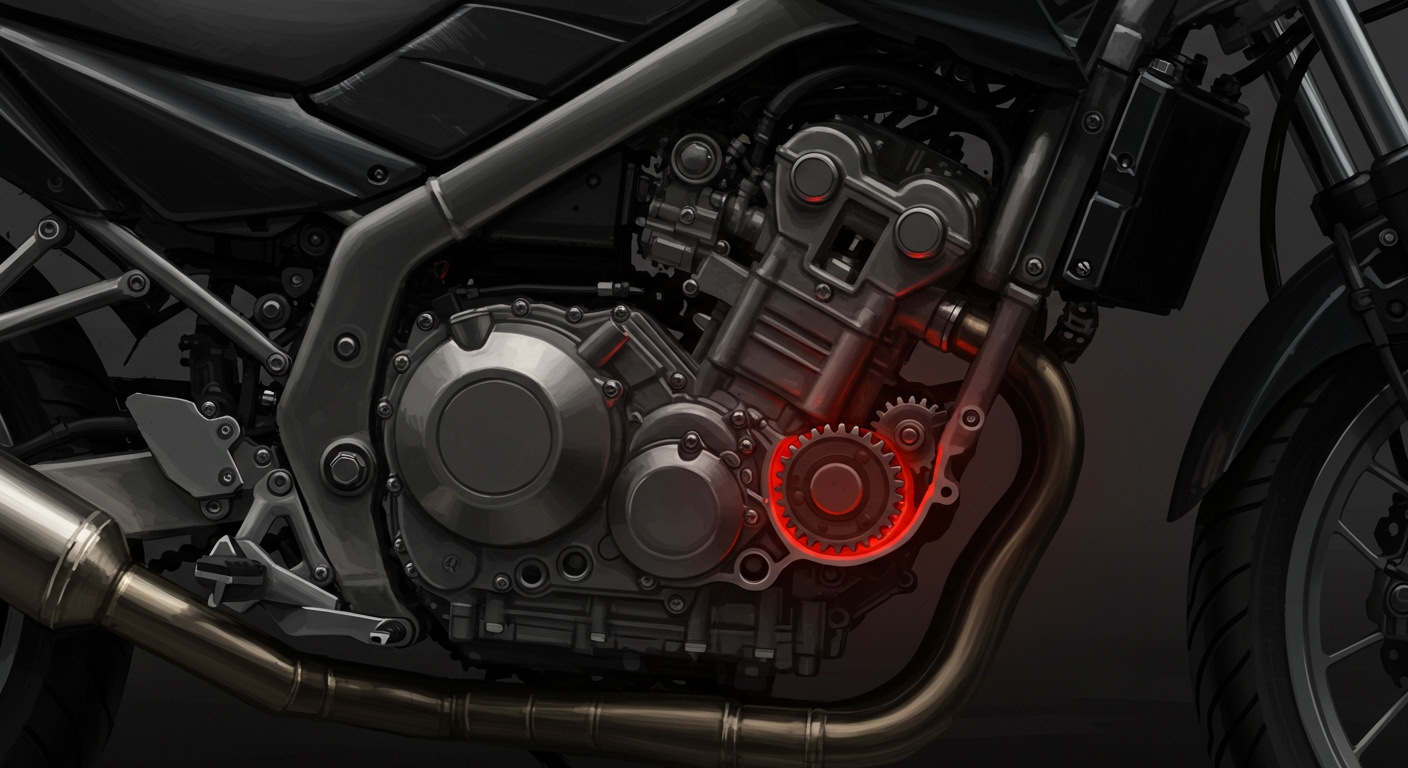
This practice puts immense stress on vital engine components like the connecting rods, crankshaft, main bearings, and even the gearbox. The engine has to work much harder to generate torque, leading to excessive vibrations, increased heat, and accelerated wear on these parts. It also affects the combustion efficiency. Always ride in the appropriate gear, ensuring the engine operates within its optimal RPM range. Don't be shy to downshift when slowing down or needing to accelerate. Your engine will thank you with smooth performance and a longer life.
4. Ignoring Warning Lights and Unusual Sounds
Modern motorcycles come equipped with sophisticated sensors and a dashboard that displays crucial information, including warning lights for engine malfunctions, low oil pressure, overheating, and more. Similarly, your bike often gives audible cues when something is amiss: a new rattle, a persistent whine, an unusual thumping sound, or excessive smoke from the exhaust.
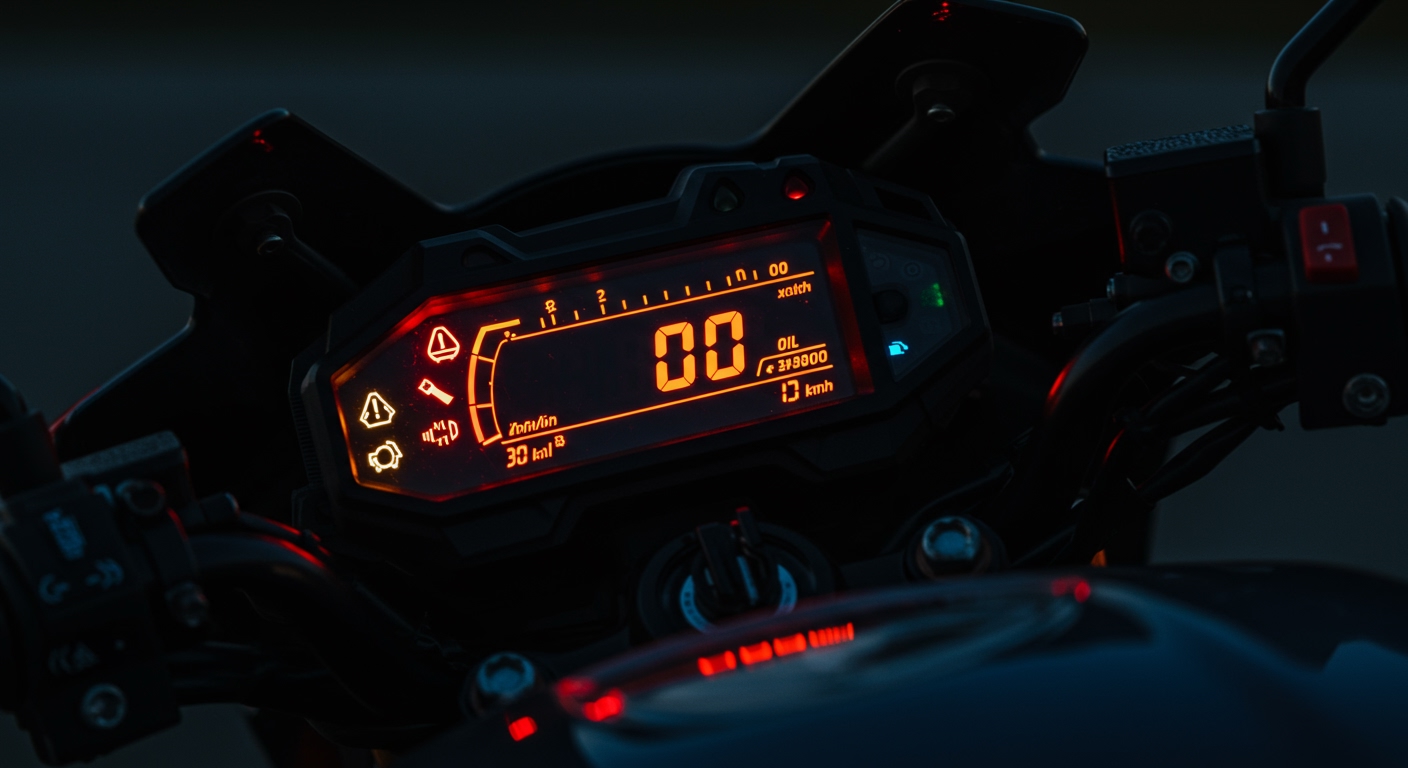
Ignoring these warning signs is like ignoring a doctor's advice. A small issue, if left unattended, can rapidly escalate into a major, catastrophic engine failure. For example, a lit oil pressure warning light ignored can lead to a seized engine. That small ticking sound might be a valve clearance issue, which if neglected, could cause piston or head damage. Cultivate a habit of paying attention to your bike's dashboard and the sounds it makes. If something feels or sounds off, err on the side of caution and get it checked by a qualified mechanic promptly. That 'chalta hai' attitude can cost you dearly.
5. Poor Warm-Up and Aggressive Riding from Cold
How you start your ride significantly impacts your engine's health, especially on a cool Indian morning. When your bike has been sitting overnight, the engine oil drains down to the oil sump. When you start the engine, it takes a few moments for the oil pump to circulate the lubricant throughout all moving parts. Additionally, engine components like pistons, cylinders, and bearings need to reach their optimal operating temperature for efficient and wear-free operation.
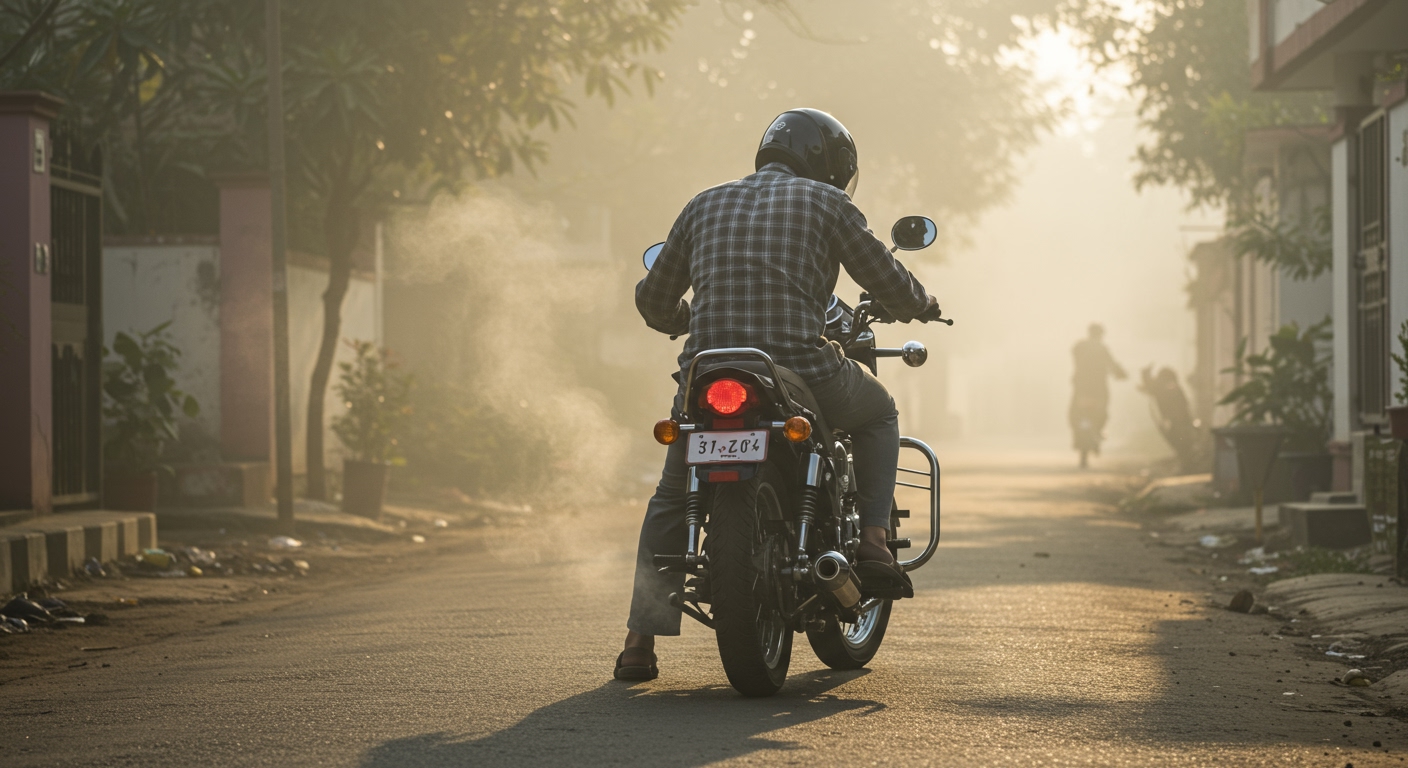
Revving a cold engine or immediately taking off with harsh acceleration subjects dry, unlubricated, and 'cold' metal surfaces to immense friction and stress. This leads to accelerated wear on cylinder walls, piston rings, and valve train components. It also affects fuel combustion efficiency and can lead to excessive carbon buildup. Give your bike a minute or two to warm up, letting it idle gently. When you do start moving, be gentle with the throttle for the first few kilometers, allowing all components to reach their ideal temperature. This simple habit can drastically prolong your engine's life.
The Road Ahead: Keep Your Engine Thriving
There you have it, riders. Five seemingly small mistakes that can have monumental, long-term consequences for your motorcycle's engine. Our bikes are extensions of ourselves, reflections of our adventurous spirit. By paying a little more attention to these crucial aspects of maintenance and riding habits, you're not just saving money, you're investing in countless more miles of joy, freedom, and reliability.

So, next time you're about to hit the road, take a moment. Check your oil, listen to your engine, remember your gears, and give it a loving warm-up. These habits are the secret sauce to a long and happy life for your machine. Got any other tips or experiences? Share them in the comments below! And for more expert advice on keeping your ride in top shape, stay tuned to eAuto!

